

What Omaha Homeowners Should Know Before Choosing a Water Treatment System
If you're researching water treatment systems in Bellevue, NE, here's a quick answer to help you compare your options:
Most common systems and what they solve:
- Water softener - removes hard minerals (calcium, magnesium) that cause scale, dry skin, and appliance wear
- Whole-house carbon filter - reduces chlorine, sediment, and odors throughout your home
- Reverse osmosis (RO) system - removes dissolved contaminants like lead, arsenic, nitrates, and PFAS from drinking water
- Iron filter - eliminates rust stains, metallic taste, and reddish discoloration
- UV purifier - kills bacteria and viruses, especially important for well water
- Multi-stage system - combines two or more of the above for complex water problems
The right system depends on what's actually in your water. Water quality concerns in Bellevue and across Nebraska can include hardness, chlorine byproducts, lead from plumbing materials, and other contaminants that may call for targeted treatment. And if you're on a private well, you face a separate set of risks entirely, including iron, sulfur, bacteria, and agricultural runoff, with no municipal treatment standing between you and the tap.
Getting a water test first is the most important step you can take before spending a dollar on equipment.
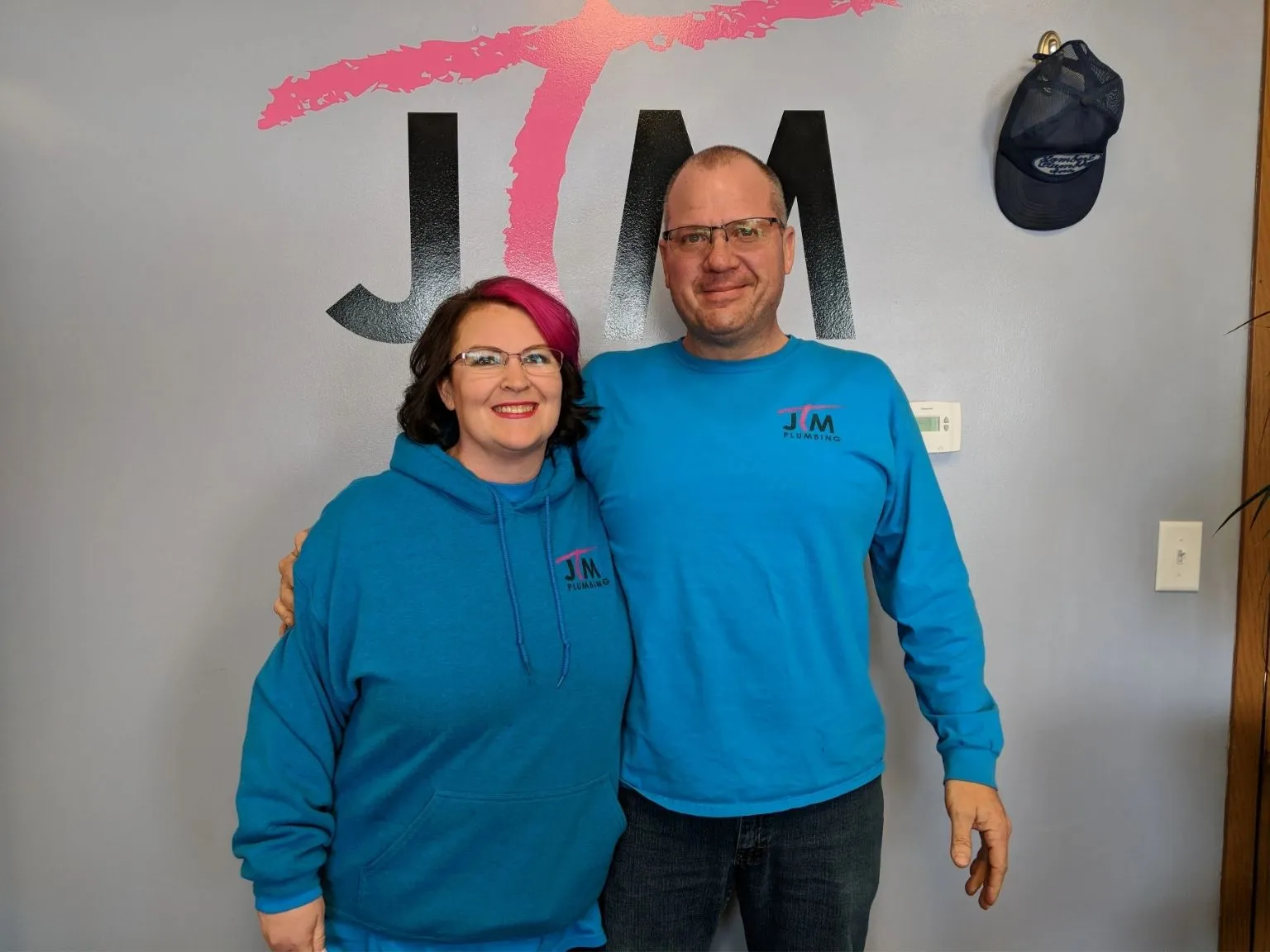
I'm Jon Miller, a Master Plumber and co-owner of JTM Plumbing & Drain, and I hold a Nebraska Grade VI Water Operator License, the highest classification the state issues for overseeing public water systems, which gives me a deeper technical understanding of water treatment needs in Bellevue, NE and throughout Nebraska than most plumbers you'll encounter. In this guide, I'll walk you through everything you need to compare systems, understand your water, and make the right call for your home or business.
Common Omaha and Nebraska Water Problems That Lead People to Water Treatment
In Omaha and surrounding Nebraska communities, most water treatment decisions start with one of two things: comfort problems you can see, or contaminant concerns you cannot.
For many homes, hard water is the biggest everyday issue. Hardness minerals like calcium and magnesium leave limescale on fixtures, shorten appliance life, make soap harder to rinse, and can leave skin feeling dry. If your shower door always looks spotted five minutes after cleaning it, your water may be picking a fight with you.
City water users may also notice chlorine taste, seasonal odor shifts, or concerns about disinfection byproducts. That does not mean every home needs every treatment system, but it does mean testing and system selection should be specific, not random.
Well water users in Bellevue, Gretna, Springfield, Elkhorn, Papillion, La Vista, and surrounding Nebraska areas often face a different set of problems:
- Iron and manganese staining
- Sulfur or rotten egg odor
- Sediment and cloudiness
- Bacteria risk
- Nitrates from agricultural runoff
- Naturally occurring metals and minerals
Signs Your Home Has Water Quality Issues
Common warning signs include:
- Soap scum on tubs, glass, and faucets
- White crust on showerheads or coffee makers
- Dry skin or dull hair after bathing
- Spotted glasses and dishes
- Rusty orange or brown stains in sinks and toilets
- Rotten egg smell from hot or cold water
- Dingy laundry
- Metallic taste
- Cloudy or discolored water
- Appliances that seem to age before their time
Some of these point to nuisance issues like hardness or iron. Others may signal contaminants that deserve deeper testing.
Omaha City Water vs Well Water: Different Risks, Different Solutions
City water and private well water should not be approached the same way.
City water is treated before it reaches your home, which is good news. But treated water can still contain chlorine, chlorine byproducts like TTHMs, dissolved contaminants, or issues introduced by aging plumbing. Seasonal shifts in source water can also affect taste and odor.
Well water is different because the homeowner is responsible for testing and treatment. There is no municipal treatment step after the water enters your private system. That means bacteria, sediment, iron, sulfur, nitrates, and other contaminants may be present unless you test and treat for them.
In simple terms:
- City water problems are often taste, odor, hardness, chlorine, and regulated contaminant reduction
- Well water problems are often hardness, iron, sulfur, sediment, bacteria, and contaminant uncertainty
Which Contaminants Matter Most in Omaha and Nebraska Homes
The contaminants that matter most depend on your water source, but these are the usual suspects:
- Hard minerals: cause scale and reduced appliance efficiency
- Iron: causes rust stains and metallic taste
- Manganese: causes dark staining and taste issues
- Hydrogen sulfide: causes rotten egg odor
- PFAS: persistent chemicals often called forever chemicals
- Nitrates: a major concern for some wells
- Lead: often related to plumbing materials rather than the water source itself
- Arsenic: a serious drinking water concern in some areas
- Bacteria: especially important for private wells
Comparing Water Treatment Systems Omaha, NE Homeowners Commonly Choose
When people compare water treatment systems Bellevue homeowners use most often, they usually narrow it down to a few core categories:
- Point-of-entry systems that treat all water entering the house
- Point-of-use systems that treat water at one tap, usually the kitchen sink
- Specialty systems for a single problem like iron or bacteria
- Multi-stage systems for homes with more than one issue
Water Softeners: Best for Hard Water and Scale
A water softener is the go-to fix for hard water. It uses ion exchange resin to swap hardness minerals like calcium and magnesium for sodium or potassium. The system then regenerates periodically to recharge the resin.
What a softener helps with:
- Scale buildup on fixtures and pipes
- Water heater efficiency loss
- Soap scum
- Dry skin and stiff laundry
- Spotting on dishes and glassware
- Premature wear on dishwashers, washing machines, and water heaters
What it does not do well by itself:
- Remove chlorine
- Remove arsenic, nitrates, PFAS, or TTHMs
- Kill bacteria
- Remove strong sulfur odor in every case
If hard water is your main issue, a softener may be enough.
Whole-House Filtration: Best for Chlorine, Sediment, Odors, and Broad Protection
Whole-house filtration treats water as it enters the home, so every faucet, shower, and appliance benefits.
Common filter types include:
- Sediment filters for dirt, sand, and rust particles
- Carbon filters for chlorine, taste, and odor
- Specialty media for chemicals or problem contaminants
A whole-house filter is often the best fit if you want:
- Better shower and bath water
- Less chlorine taste and smell
- Less sediment in fixtures and appliances
- Broader plumbing protection
- Cleaner water throughout the house, not just at one sink
Reverse Osmosis Systems: Best for Drinking Water Purity
Reverse osmosis, or RO, is usually the best choice when your concern is drinking and cooking water purity.
RO works by pushing water through a semipermeable membrane that removes many dissolved contaminants. Research commonly shows RO can reduce a very high percentage of impurities, often up to 99% depending on the contaminant, system design, and maintenance.
RO is commonly used to reduce:
- Lead
- Arsenic
- Nitrates
- PFAS
- Dissolved solids
- Some heavy metals and salts
Most residential RO systems are installed under the kitchen sink. Whole-house RO exists, but it is a much bigger, more specialized solution that usually requires careful design, pretreatment, storage planning, and ongoing maintenance.
Specialty Systems for Iron, Sulfur, Bacteria, and PFAS
Some problems need targeted equipment, not a one-size-fits-all filter.
Examples include:
- Iron filters for rust stains and metallic water
- Oxidation systems for iron, manganese, and sulfur
- UV purifiers for bacteria and microbial concerns
- PFAS-focused cartridge upgrades as part of a broader drinking water system
- Multi-stage systems combining sediment, carbon, softening, and RO
For example:
- Rust stains usually point to iron or manganese treatment
- Rotten egg odor often points to hydrogen sulfide, sometimes combined with bacteria
- Bacteria concerns often call for UV after proper pretreatment
- PFAS concerns are often addressed with RO or specific carbon-based treatment at the drinking water tap
How to Know Which Water Treatment System You Actually Need
The short answer is simple: test first, buy second.
Start With Water Testing, Not Guesswork
The best system starts with real data. Depending on the situation, testing may include:
- Hardness
- Iron
- Manganese
- Chlorine
- pH
- TDS
- Sediment
- Nitrates
- Bacteria screening
- Certified lab analysis for health-related contaminants
For some basic screening, a cold-water sample can reveal a lot. For more serious concerns, especially well water or drinking water contaminants, certified lab testing is the smarter route.
You can also review your annual city water quality report if you are on municipal water, but the report reflects the utility system overall, not necessarily what is happening inside your home's plumbing.
How to Read Results and Match Them to the Right Fix
Here is the practical version:
- High hardness = water softener
- Chlorine taste or odor = carbon filtration
- Sediment = sediment prefilter
- Arsenic, nitrates, PFAS, lead = usually under-sink RO or another targeted drinking water solution
- Iron or manganese = specialty iron filter or oxidation system
- Bacteria = disinfection, often UV with proper pretreatment
- Multiple issues = multi-stage treatment
A lot of homes need more than one piece of equipment. That is normal. A softener and RO system is a common combo. So is sediment plus carbon plus UV for well water.
When a Softener Alone Is Enough and When You Need More
A softener alone may be enough if:
- Your main problem is scale
- You have spotted dishes and hard-water buildup
- You are trying to protect plumbing and appliances
- Taste and odor are otherwise acceptable
You probably need more than a softener if:
- Water tastes or smells like chlorine
- You have health-related contaminant concerns
- Your well water has bacteria or nitrates
- You have iron staining or sulfur odor
- You want purified drinking water at the kitchen sink
What Omaha, NE Buyers Should Compare Before Installation
Before choosing a system, compare these factors:
- Flow rate
- Capacity
- Filter life
- Salt requirements
- Wastewater production for RO systems
- Available installation space
- Plumbing layout
- Serviceability
- Ongoing maintenance needs
- Warranty terms
The cheapest system on day one is not always the least expensive system over ten years. Easy service access, quality parts, and correct sizing matter a lot.
Installation, Maintenance, and Repair: What to Expect Long Term
Water treatment is not a buy-it-and-forget-it category. Even the best system needs some maintenance.
Why Professional Installation Usually Beats DIY
DIY can work for simple countertop filters, but whole-home treatment is different.
Professional installation usually wins because it helps with:
- Correct sizing
- Proper drain and bypass connections
- Leak prevention
- Startup testing
- Pressure checks
- Code compliance
- Better long-term service access
A softener or filtration system installed wrong can cause leaks, pressure problems, poor performance, or wasted money. Water has a talent for finding the smallest mistake and making it expensive.
Recommended Maintenance by System Type
Typical maintenance intervals vary by water quality and usage, but these ranges are a good starting point:
- Sediment filters: often every 3 to 6 months
- Carbon filters: often every 6 to 12 months or per manufacturer specs
- RO prefilters and postfilters: usually every 6 to 12 months
- RO membrane: often every 2 to 5 years
- UV lamp: usually yearly
- Softener salt: check regularly and refill as needed
- Softener inspection/cleaning: periodic service based on system age and performance
- Iron and specialty systems: maintenance depends on media type, backwashing needs, and water chemistry
Repair Signs You Shouldn't Ignore
Call for service if you notice:
- Low water pressure
- Salty-tasting water
- Bad odors returning
- Iron stains returning
- Scale buildup coming back
- Constant running or nonstop regeneration
- Leaks around tanks, valves, or housings
- Warning lights or alarms
- RO faucet producing very little water
These signs usually mean the system needs adjustment, replacement parts, maintenance, or a full evaluation.
How Long Water Treatment Systems Typically Last
General life expectancy depends on water quality, maintenance, and installation quality, but many systems can last a long time:
- Water softeners: often around 10 to 15 years or more
- Reverse osmosis systems: often 10 to 15 years or more with regular service
- RO membranes: usually 2 to 5 years
- Filter housings and valves: lifespan varies widely by quality and conditions
- UV systems: chambers last years, lamps need regular replacement
Good records help. If you know when filters, membranes, and service visits happened, future troubleshooting gets much easier.
Residential vs Commercial Water Treatment Needs in Omaha
Homes and businesses both need clean water, but they do not need it in the same way.
Residential Systems Focus on Comfort, Taste, and Appliance Protection
For homes, the biggest goals are usually:
- Better-feeling bath and shower water
- Cleaner dishes and laundry
- Less scale in pipes and water heaters
- Better tasting drinking water
- Lower appliance wear
- Daily convenience
That is why residential setups often combine a softener for comfort and plumbing protection with an under-sink RO for drinking water.
Commercial Systems Focus on Volume, Consistency, and Downtime Prevention
Commercial water treatment usually centers on:
- Higher flow demand
- Consistent water quality
- Equipment protection
- Reduced downtime
- Better product quality in food service or beverage applications
- Service plans that keep systems running
Restaurants, offices, healthcare settings, and other businesses often need treatment not just for taste, but for reliability and equipment life.
When Businesses Need Custom Multi-Stage Treatment
Commercial properties may need custom designs when they have:
- High incoming hardness
- Specialty equipment
- Large demand swings
- Strict water quality requirements
- Spot-free or ingredient-sensitive applications
- Multiple contaminant concerns at once
That can include pretreatment, booster pumps, specialized filtration, or larger storage and distribution planning.
Frequently Asked Questions About Water Treatment Systems in Omaha, NE
Do I need a whole-house filter, a softener, or both?
It depends on the problem.
- If you have hard water symptoms like scale and soap scum, start with a softener.
- If you have chlorine taste, odor, or sediment throughout the house, start with whole-house filtration.
- If you have both, a combo system often makes the most sense.
Whole-house filters and softeners do different jobs. One is not a replacement for the other.
Can reverse osmosis remove PFAS, arsenic, and lead?
Yes, reverse osmosis is widely used for reducing PFAS, arsenic, lead, nitrates, and other dissolved contaminants in drinking water. That is one reason under-sink RO systems are so popular in homes with health-focused water concerns.
How often should filters and membranes be replaced?
Most RO filters need replacement every 6 to 12 months, while the membrane often lasts 2 to 5 years. Whole-house filter schedules depend on the filter type, water quality, and household usage. If your water quality changes, your maintenance schedule may need to change too.
Conclusion: Choosing the Right System for Cleaner, Safer Water in Omaha
The best systems are not the ones with the fanciest marketing or the longest list of features. They are the systems that match the actual water problem.
That is why we always recommend starting with testing, then choosing treatment based on what the results show:
- Softener for hardness and scale
- Whole-house filtration for chlorine, sediment, and odors
- Reverse osmosis for high-purity drinking water
- Specialty treatment for iron, sulfur, bacteria, or PFAS
- Multi-stage systems when one problem turns out to be three problems wearing a trench coat
Understanding the difference between Omaha city water concerns and Nebraska well water concerns can help you narrow your options faster. The goal is not to buy the biggest system. It is to choose the right one for your water, your plumbing, and your household needs.


.svg)
.webp)